
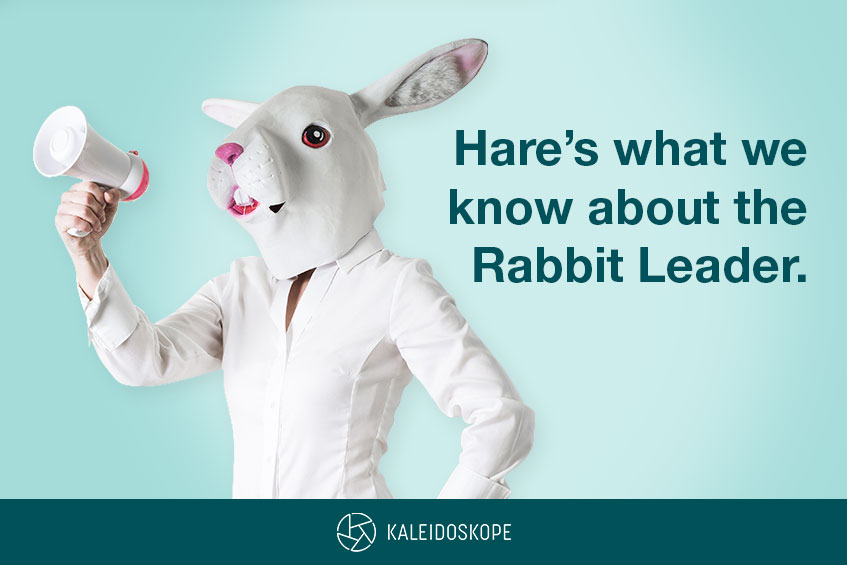
Hare’s what we know about the Rabbit Leader
We are a hop, skip and jump away from Year of the Rabbit, celebrating the fourth anim
We are a hop, skip and jump away from Year of the Rabbit, celebrating the fourth animal in the Chinese zodiac, which is typically associated with traits such as calmness, sensitivity, and diplomacy.
These qualities can be valuable assets for leaders, who often must navigate complex social situations and make tough decisions while keeping a cool head. After all, an effective leader needs to be able to listen and understand others’ perspectives, as well as be willing to collaborate and compromise.
A leader who listens carefully to their team and considers their input is more likely to foster a positive, productive, and psychologically safe work environment. Such conditions can lead to better results and stronger unity among team members.
Moreover, the Rabbit Leader has the capability to assert their authority when necessary, and make critical decisions quickly and thoughtfully. Striking a balance between listening and leading can be challenging, but it is essential to productive and constructive leadership.
Additionally, the year of the rabbit is also associated with creativity and artistic expression. Likewise, these are critical traits for leaders, who often need to look for innovative solutions to problems or want to inspire and motivate their team.
Overall, the Year of the Rabbit aligns well with the qualities of effective leadership. In today’s business landscape, managers would do well by embodying or emulating the innate traits of the Rabbit Leader — calm, sensitive, and able to listen and collaborate.
In explaining leadership in terms of nature versus nurture, experts often refer to two opposing theories: Great Man theory proposes that leaders are born, not made. Conversely, behavioural theorists say that becoming a leader requires keen observation and learning, training, and practice.
Now more than ever, we need leaders who can create a positive and productive work environment and make sound decisions that benefit their team and organisation.
However, every organisation is only as effective as its teams. In order to achieve success, it is essential to have a clear understanding of what makes teams effective.
Upskill your people with professional learning and development tools to give your organisation an edge in our current world of disruptive transformation. Hop over to our website to find out more!
Related Blogs

Leadership Lessons from F1: Collaboration Under Pressure
What can Formula 1 teach leaders about collaboration under pressure? This article explores lessons in cross-functional teamwork, accountability, adaptability, and team dynamics from the 2026 race at Sepang.

Managing Up: A Guide for First-Time Managers
Managing up is a critical skill for first-time managers, yet it is rarely taught. Learn how to understand your manager’s priorities, adapt to different working styles, and build a clear communication routine that strengthens trust and confidence.

The Foundation of Team Engagement? Start with Trust.
Strong team engagement starts with trust. Explore how healthy conflict, commitment, accountability and shared goals create the foundation for stronger team performance.