
The 4-Sentence Framework structures communication in four steps: Situation, Complication, Resolution, and Action. It builds trust, reduces misinterpretation, and improves team alignment across briefings, change announcements, and one-on-ones.
- The 4-Sentence Framework structures messages into four parts: Situation, Complication, Resolution, and Benefit or Result.
- Efficient communication is a leadership imperative that builds trust, reduces misinterpretation, and drives alignment.
- The framework helps leaders transmit important information swiftly without unnecessary or unclear messaging.
- Trust is the cornerstone of effective leadership communication, and accuracy, relevance, and timing all reinforce credibility.
- The framework is simple but requires practice and discipline to apply consistently across different contexts.
- Leadership training programmes, such as those offered by Kaleidoskope, help managers develop and embed this skill.
The Four-Sentence Framework
“The art of communication is the language of leadership.”
– James Humes
Effective communication is a critical skill for leaders in any organisation. When it comes to leadership, conveying information clearly and concisely is a cardinal rule. Leaders are required to communicate not just effectively but efficiently.
In doing so, they reduce potential misunderstandings, avoid misinterpretations, and minimise confusion. Effective communication can help your managers and team leads foster a shared understanding of the organisation’ goals, tasks, and expectations.
Given their multifaceted responsibilities and the rapid-switching task agility of today’s working demands, people who hold leadership positions must be proficient in transmitting important information swiftly and precisely — reducing delays caused by unnecessary or unclear messages.
The most critical cornerstone of efficient communication is the need to build trust. When leaders deliver accurate, relevant, and timely information, they demonstrate transparency and reliability. It adds to their credibility and enhances the trust that team members have placed in their leaders.
What is the 4-Sentence Framework for Communication?
The Four-Sentence Framework For Communication is a simple and practicable guide to help leaders provide essential information in a structured manner, making their messages more organised, easy to understand, and impactful.
- The Situation: This sentence sets the context by describing the current situation or problem at hand. The objective is to help members of your team or organisation understand the background and the reason for the message.
- The Complication: Here, the complication or challenge arising from the situation is presented. This is a crucial step toward making your audience understand the problem and its impact on the organisation.
- The Resolution: This sentence outlines the action taken to address the complication or resolve the problem — so your audience has a better grasp of the procedures to address the issue.
- The Benefit or Result: The final sentence highlights the favourable outcome or benefit of the resolution. It underscores the solution’s positive impact and its value to the organisation.
Why Is Effective Communication a Non-Negotiable Leadership Skill?
Simple as it may seem, the Four-Sentence Framework For Communication (or any manner of effective and effective communication, for that matter) still takes some practice and discipline. Successful leaders are often good communicators and good communicators make successful leaders.
Effective communication is vital to gaining trust, aligning efforts to pursue goals, and inspiring positive change. When communication is lacking, important information can be misinterpreted, causing relationships to suffer and ultimately creating barriers that hinder progress.
Leadership training can help managers improve their communication skills and learn new leadership techniques to run their teams effectively. Corporate training programmes typically involve opportunities to practise public speaking, such as group activities, group projects, and conference activities. Through these exercises, you can develop communication skills that can transform your organisation, enhance value creation, create efficiencies, and engage others to deliver better results.
How Can Leadership Training Help You Master Communication in the Workplace?
In today’s rapidly changing business landscape, it is more crucial than ever to upskill and retrain your people to accelerate their growth and your organisation’s business results. This is evident in the directives launched by the Singapore government, including SkillsFuture, Workforce Skills Qualification, and Professional Conversion Programme.
Since its beginning, Kaleidoskope has been working closely with various Singapore companies and government agencies to customise learning solutions and tailor learning journeys, so that there is no disparity between the training provided and the needs of the people.
Kaleidoskope’s HIGH-ENGAGEMENT AND HIGH-IMPACT LEADERSHIP TRAINING effectively ensures that Singapore organisations and companies reach their goals toward enhancing their teams’ productivity and organisational development.
If you or your organisation are looking to embark on a transformative learning journey that aligns with your unique goals and challenges, Kaleidoskope invites you to explore our range of customised workshops and coaching sessions.
Related Blogs

Leadership Lessons from F1: Collaboration Under Pressure
What can Formula 1 teach leaders about collaboration under pressure? This article explores lessons in cross-functional teamwork, accountability, adaptability, and team dynamics from the 2026 race at Sepang.

Managing Up: A Guide for First-Time Managers
Managing up is a critical skill for first-time managers, yet it is rarely taught. Learn how to understand your manager’s priorities, adapt to different working styles, and build a clear communication routine that strengthens trust and confidence.
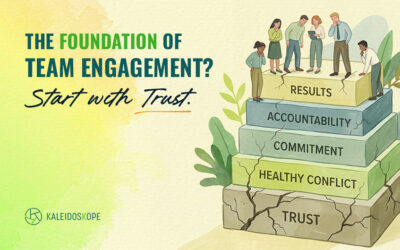
The Foundation of Team Engagement? Start with Trust.
Strong team engagement starts with trust. Explore how healthy conflict, commitment, accountability and shared goals create the foundation for stronger team performance.